Rainwater Diversion in Tuscaloosa, AL
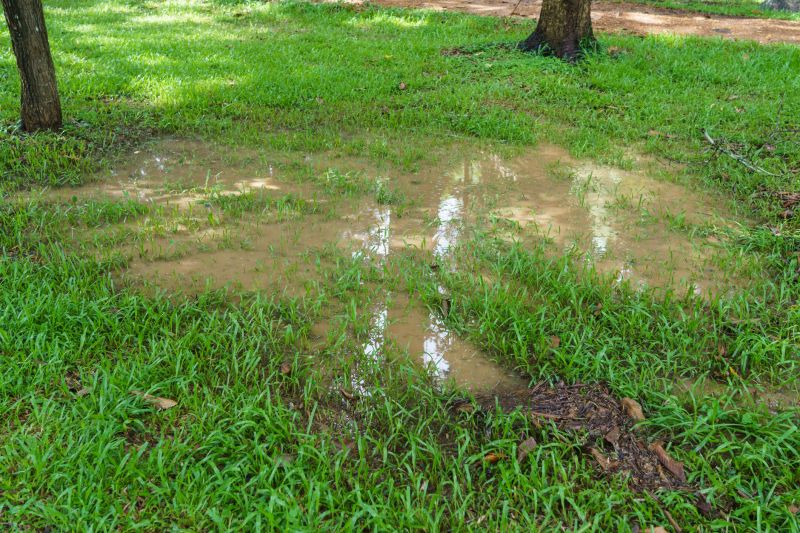
Rainwater diversion services involve redirecting runoff water away from a property’s foundation, landscaping, or other structures to prevent water damage and manage drainage effectively. These projects often include installing systems such as rain gardens, underground piping, or surface drainage solutions to channel water safely away from the property. Homeowners typically seek these services when dealing with pooling water, soil erosion, or foundation concerns, aiming to protect their property during heavy rainfalls or storms.
Property owners considering rainwater diversion should understand the specific drainage challenges of their land, including slope, soil type, and existing landscape features. It’s important to evaluate the most suitable solutions based on the property’s layout and water flow patterns. Consulting with a professional can help determine the best approach to improve drainage, reduce water-related issues, and ensure the long-term health of the landscape and structure.
Many property owners in Tuscaloosa, AL look into Rainwater Diversion for repairs, replacements, upgrades, and appearance-related improvements.
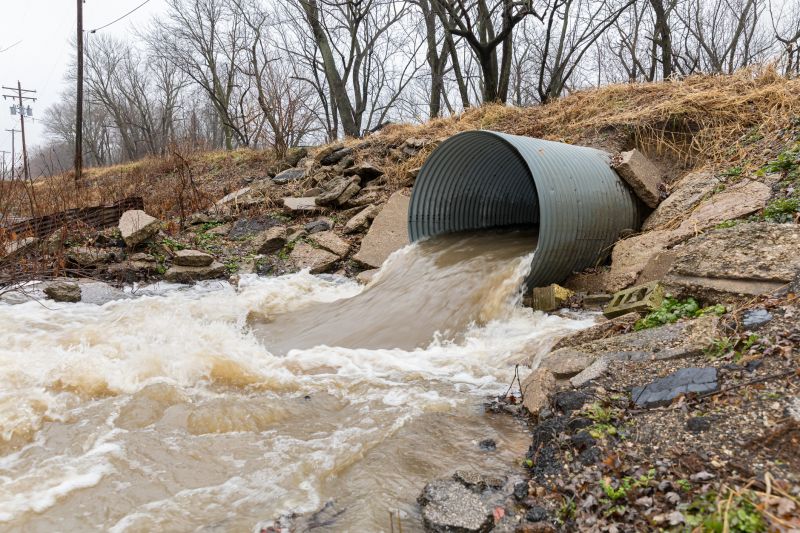
Rainwater Management Solutions
Proper diversion systems help direct stormwater away from foundations and landscaping.
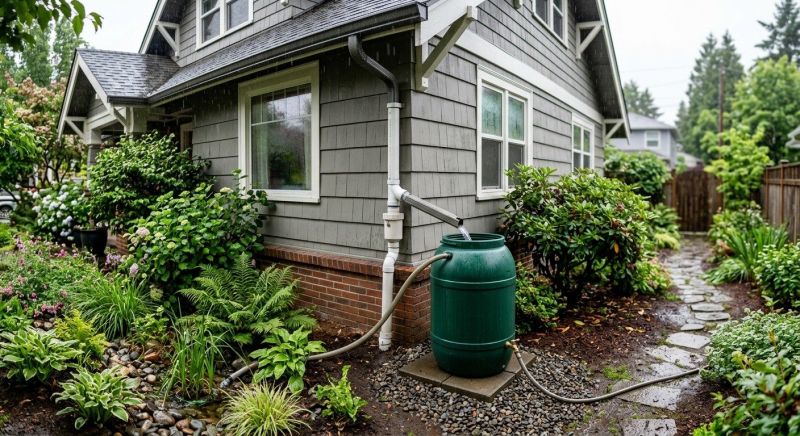
Drainage System Improvements
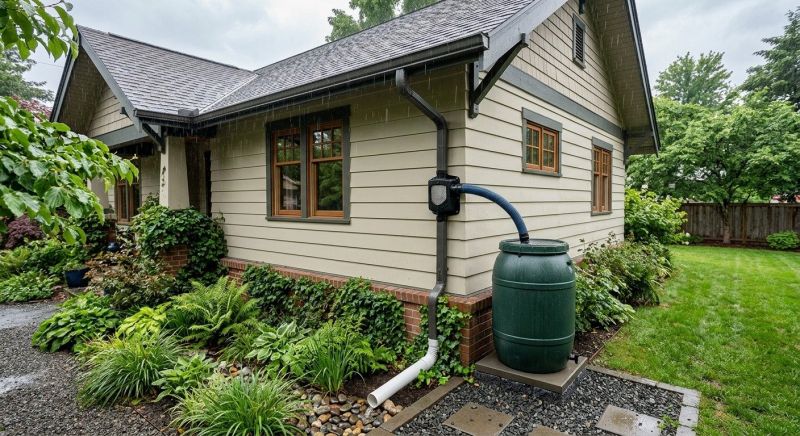
Upgrading existing gutters and downspouts can prevent water pooling around your property.
Custom Rainwater Diversion Planning
Tailored strategies ensure effective water flow control for residential and commercial properties in tuscaloosa.
Rainwater Diversion in Tuscaloosa, AL
Rainwater diversion services involve redirecting runoff water away from a property’s foundation, landscaping, or other structures to prevent water damage and manage drainage effectively. These projects often include installing systems such as rain gardens, underground piping, or surface drainage solutions to channel water safely away from the property. Homeowners typically seek these services when dealing with pooling water, soil erosion, or foundation concerns, aiming to protect their property during heavy rainfalls or storms.
Property owners considering rainwater diversion should understand the specific drainage challenges of their land, including slope, soil type, and existing landscape features. It’s important to evaluate the most suitable solutions based on the property’s layout and water flow patterns. Consulting with a professional can help determine the best approach to improve drainage, reduce water-related issues, and ensure the long-term health of the landscape and structure.
Many property owners in Tuscaloosa, AL look into Rainwater Diversion for repairs, replacements, upgrades, and appearance-related improvements.
Common Rainwater Diversion Jobs
Rainwater diversion systems help redirect runoff away from foundations to prevent water damage.
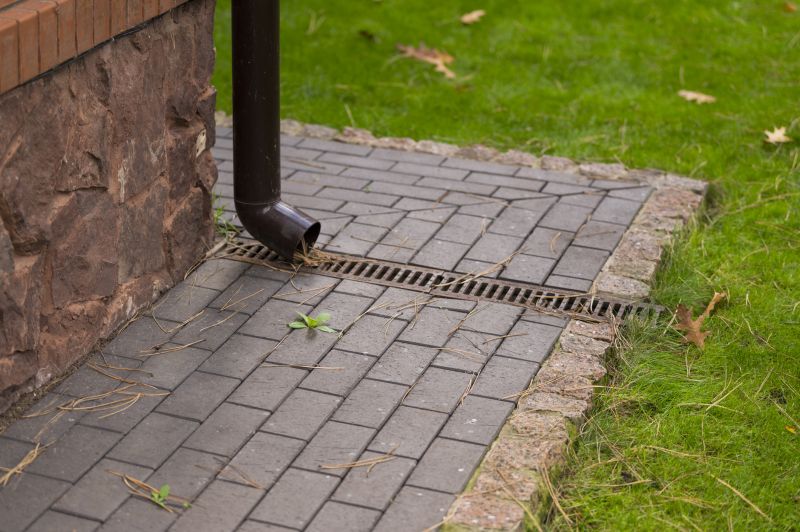
Gutter downspout extensions direct rainwater further from the property to reduce erosion and pooling.
Drainage solutions improve yard grading to manage excess rainwater effectively.
Rainwater harvesting systems collect and store runoff for reuse around the property.
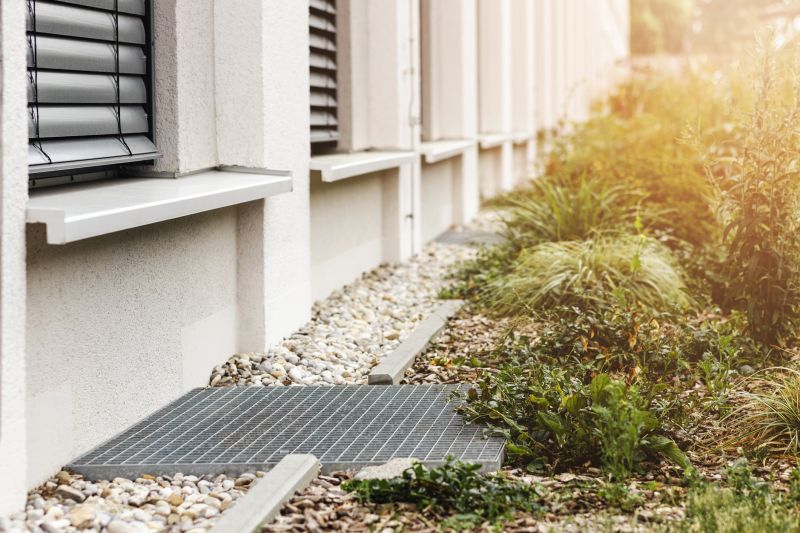
Stormwater management involves installing barriers or channels to control runoff flow.
Erosion control measures protect landscaping and soil stability during heavy rains.
Rainwater Diversion Questions
What is rainwater diversion? Rainwater diversion involves redirecting runoff away from building foundations and landscaping to prevent water damage and erosion.
Why should property owners consider rainwater diversion? It helps protect structures, reduces basement flooding risk, and minimizes soil erosion around the property.
What types of rainwater diversion systems are available? Common options include gutters, downspouts, and underground drainage pipes tailored to property needs.
When is rainwater diversion typically installed? Installation is usually done during property renovations or when existing drainage systems are inadequate for heavy rainfall.
Request Rainwater Diversion in Tuscaloosa, AL
Use the quote form on this page to share the basics of your project and request more information for the type of work you need.