
Leading Tools and Materials for Professional-Grade Yard Drainage Ditch Projects
Equip yourself with top industry products that deliver precision and durability in drainage ditch installations.
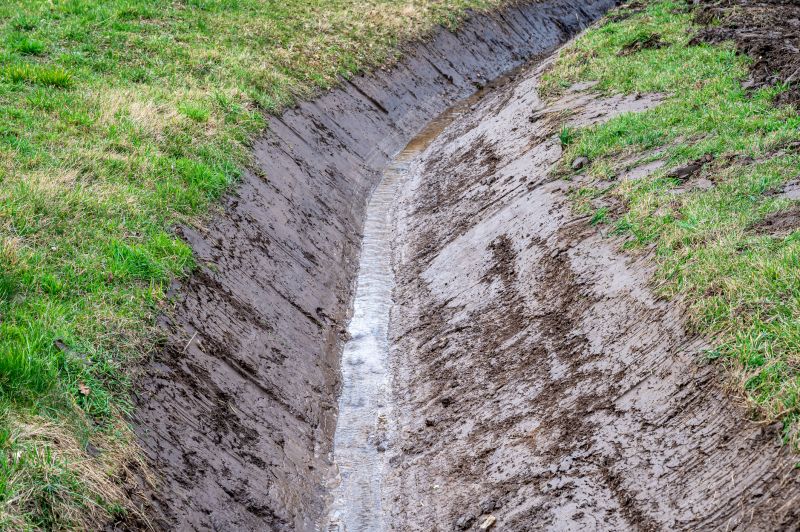 Creating an effective yard drainage system often involves the installation of drainage ditches designed to channel excess water away from problem areas. Properly selected products can facilitate efficient water flow, prevent erosion, and help maintain the integrity of your landscape. When considering products for yard drainage ditch installations, it is important to evaluate durability, ease of installation, and compatibility with existing terrain. Many options are available to suit different yard sizes, soil types, and drainage needs, ranging from simple perforated pipes to complex gravel and fabric systems.
Top Overall Option
Flexible Corrugated Drain Pipe System
A versatile and durable drainage pipe system that offers flexibility for various yard configurations. Its corrugated design allows easy installation in different terrains, and it typically features perforations for efficient water flow. Paired with appropriate fittings and gravel, it can form the backbone of many yard drainage projects, providing reliable water diversion over time.
Types of Products For Yard Drainage Ditch Installations
Perforated Corrugated Drain Pipe
Flexible pipes with perforations designed for effective water drainage and easy installation in various terrains.
Solid Drain Pipe
Non-perforated pipes used for directing water away from specific areas, suitable for direct water diversion.
Gravel and Aggregate Bed
Crushed stone or gravel used to enhance water flow and filtration within drainage ditches.
Geotextile Fabric Liners
Heavy-duty fabrics that line ditches to prevent soil migration and maintain system integrity.
Drainage Grates and Inlets
Surface inlet systems that collect surface runoff and direct it into underground drainage pipes.
Flexible PVC Pipes
Rigid pipes with smooth interiors, suitable for straightforward water diversion in smaller or simpler projects.
Aluminum or Plastic Channel Drains
Channels designed to collect surface water and connect to underground drainage systems.
Drainage Fittings and Connectors
Various fittings to connect pipes and adapt systems to landscape features or other drainage components.
Flexible Drainage Pipe Connectors
Connectors that facilitate joining different pipe sections or adapting to existing drainage infrastructure.
Erosion Control Mesh
Mesh materials used to prevent soil erosion around drainage ditches and pipes.
Popular Choices
Widely used for yard drainage, offering flexibility and effective water flow management.
Commonly chosen for its ability to facilitate water movement and filtration within ditches.
Popular for lining drainage ditches to prevent soil migration and extend system lifespan.
Frequently installed to capture surface runoff and direct it into underground pipes.
Chosen for their durability and ease of installation in smaller or straightforward projects.
Essential for creating a seamless drainage system and adapting components as needed.
Popular for stabilizing soil around drainage systems and preventing erosion.
Effective for surface water collection and directing runoff into underground systems.
Used to join different pipe sections securely and ensure system integrity.
Offers adaptability for various yard layouts and easy installation around obstacles.
Drainage ditches can be constructed using various materials, each serving specific functions. Corrugated plastic pipes are popular for their flexibility and ease of installation, while solid pipes may be chosen for more direct water diversion. In addition to pipes, gravel beds are often used to improve water flow and filtration, preventing clogging and ensuring long-term performance. Geotextile fabrics are frequently employed to line ditches, providing stability and preventing soil migration into the drainage system.
Proper planning and product selection are crucial to ensure the drainage system functions effectively over time. Factors such as the slope of the land, expected water volume, and soil composition influence the choice of materials. Installing a well-designed drainage ditch can help mitigate water pooling, reduce erosion, and improve the overall health of your landscape. It is advisable to consider modular systems that allow for future expansion or adjustments as needed.
Overall, investing in quality drainage products can make the installation process smoother and result in a more durable, efficient drainage solution. Whether you are dealing with minor water runoff issues or designing a comprehensive yard drainage system, selecting the right combination of products is key to achieving optimal results. Properly installed drainage ditches can contribute significantly to the longevity and stability of your landscape, helping you maintain a healthy and attractive outdoor space.
Key Buying Considerations
- Determine the volume of water that needs to be diverted to select appropriate pipe size and capacity.
- Assess the soil type and terrain to choose flexible or rigid piping materials.
- Consider the slope of the yard to ensure proper drainage flow and prevent pooling.
- Evaluate the type of surface runoff to decide between perforated or solid pipes.
- Check compatibility of fittings and connectors with the chosen piping system.
- Decide on the use of geotextile fabric to prevent soil infiltration and extend system longevity.
- Think about ease of installation, especially if you plan to do it yourself or hire professionals.
- Account for future expansion needs or modifications in your drainage plan.
- Ensure materials are durable and suitable for outdoor exposure and weather conditions.
- Plan for proper outlet locations to direct water away from foundations, walkways, or garden beds.
- Consider incorporating erosion control measures to protect the integrity of the ditch.
- Evaluate the need for surface inlet systems or grates for managing surface runoff.
- Review local building codes or regulations related to drainage system installation.
- Select products that offer reliable performance and are compatible with existing landscape features.